The Role of Artificial Intelligence and Drone-Based Data Capture in Solar Park Inspections
The Role of Artificial Intelligence and Drone-Based Data Capture in Solar Park Inspections
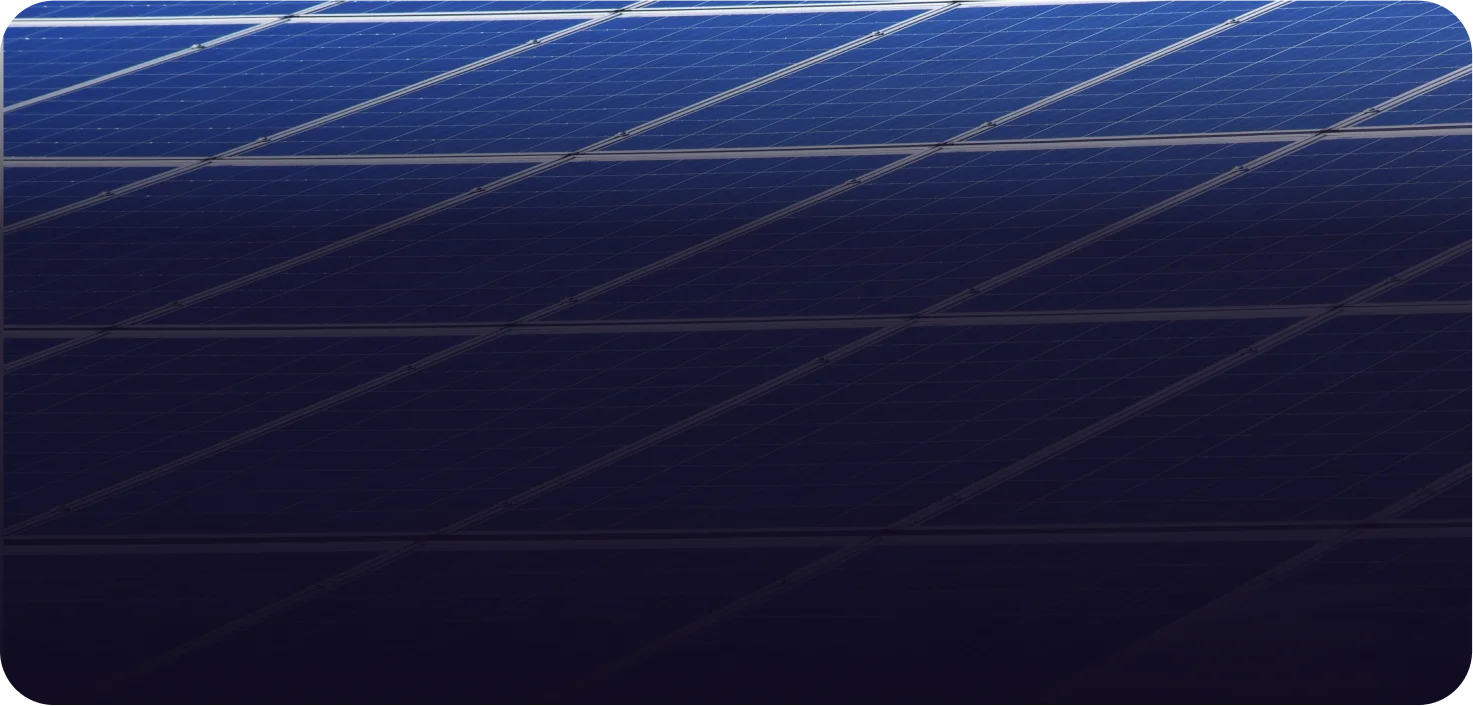
As the world shifts towards sustainable energy, the efficiency and maintenance of renewable energy infrastructure have become critical. Among these, solar parks stand out due to their expansive nature and the necessity for regular inspections to ensure optimal performance. Traditionally, these inspections were labor-intensive and time-consuming, but the advent of drones and artificial intelligence (AI) has revolutionized this process, significantly enhancing efficiency and reducing costs.
Emergence of Drones in Energy Infrastructure
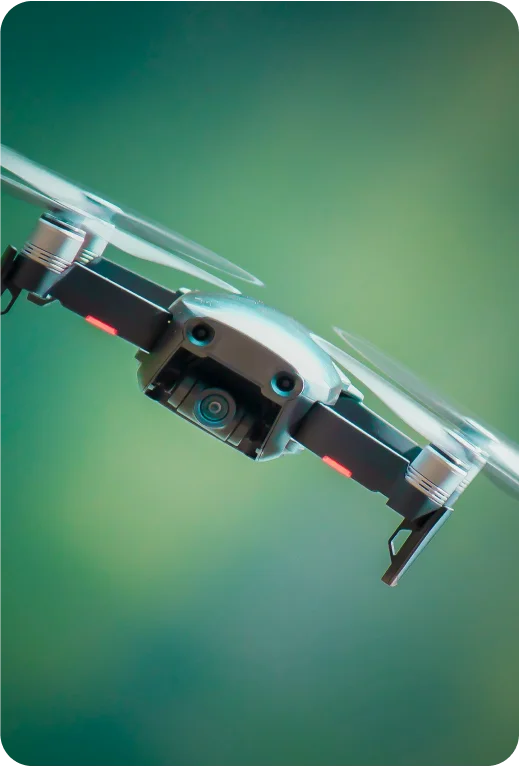
Drones have rapidly become indispensable tools in the energy sector, including for the inspection of solar parks. These unmanned aerial vehicles (UAVs) offer a myriad of advantages over traditional methods. They can access hard-to-reach areas without risking human safety, provide high-resolution imagery, and carry sensors such as thermal cameras to detect issues invisible to the naked eye. This capability allows for a comprehensive assessment of solar panels, identifying defects like micro-cracks, dirt accumulation, and hotspots efficiently.
In wind energy, drones have been used to inspect turbine blades, detecting 98% of blade damage in a single flight, compared to the 30% accuracy of traditional rope access methods. Similar benefits apply to solar panel inspections, where drones reduce inspection times from days to hours, significantly boosting productivity and safety.
Cost and Time Efficiency
The integration of drones and AI in solar park inspections results in substantial cost and time savings. According to various industry reports, using drones can reduce inspection costs by up to 50%. For instance, deploying drones eliminates the need for extensive manual labor and the associated risks and expenses. The ability of drones to quickly capture and process data through AI further accelerates the inspection process, reducing the time required by approximately 70%.
Enhanced Data Analysis with AI
AI plays a pivotal role in processing the vast amounts of data captured by drones. Advanced algorithms analyze high-resolution images and thermal data to detect anomalies, classify them by severity, and predict potential failures. This proactive approach enables maintenance teams to prioritize repairs and schedule interventions more effectively, minimizing downtime and maximizing the efficiency of solar parks.
For example, drones equipped with infrared (IR) cameras can perform thermal inspections to identify sub-module hotspots that might be missed during manual inspections. Once data are collected it is then uploaded in our Drospect Platform into an interactive web map, providing maintenance personnel with actionable insights in real-time.
Broader Impact and Future Prospects
The use of drones and AI in solar park inspections is part of a broader trend of integrating advanced technologies into energy infrastructure. Beyond cost and time savings, these technologies improve safety by reducing the need for human inspectors to operate in hazardous conditions. They also enhance the accuracy and comprehensiveness of inspections, leading to better asset management and longer lifespans for solar installations.
As regulations evolve and technology advances, the use of drones is expected to become even more widespread. The recent Drone Infrastructure Inspection Grant (DIIG) Act of 2023, for instance, has made it easier for companies to adopt drone technology by providing grants for purchasing drones and training employees.
In conclusion, the combination of drones and AI is transforming the inspection and maintenance of solar parks, driving down costs, speeding up processes, and enhancing safety and accuracy. As these technologies continue to evolve, they will play an increasingly vital role in the sustainable management of renewable energy resources.
If you’re interested in learning more about how our drone and AI-powered services can revolutionize your solar park inspections and maintenance, contact us today. Discover how our advanced technology solutions can significantly enhance your operational efficiency and reduce costs.